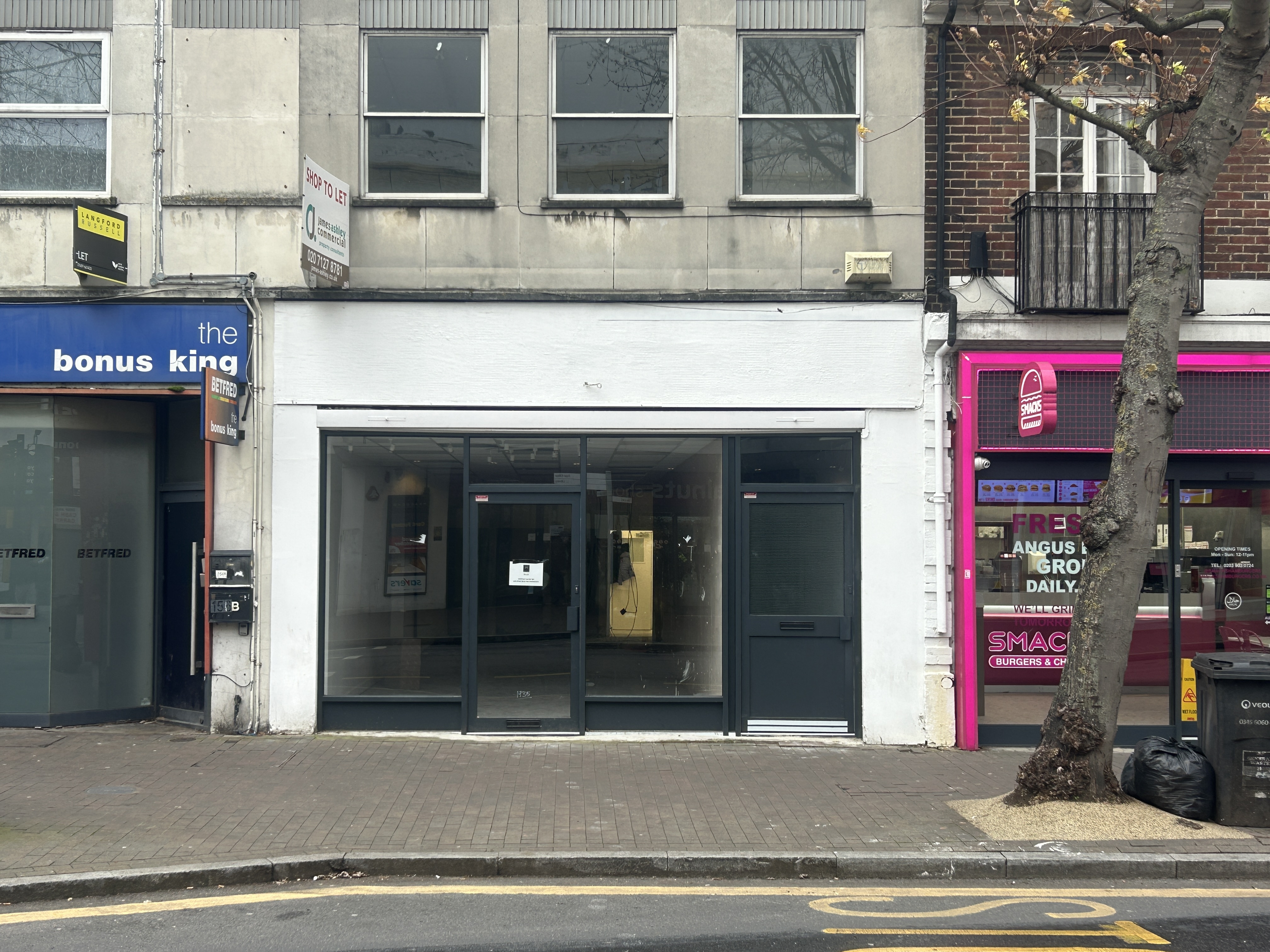
Property Overview
The property located at 154 High Street, Orpington, Kent, BR6 0JR is a mid-terrace freehold building. It comprises a ground-floor retail unit and upper parts spanning the first and second floors. The total internal area of the building is 165.36 m² (1,780 ft²). The asset is offered at a price in the region of £550,000.
The building is situated within the Orpington town centre. The tenure is freehold, encompassing the entire structure and the land it occupies. Current occupancy is divided between a secured commercial lease on the ground floor and vacant upper floors with active planning permission for residential development.
GDV Levers and Future Potential
There are two primary methods identified for increasing the Gross Development Value (GDV) and capital value of 154 High Street.
1. Additional Residential Development
The existing planning permission covers two flats. There is potential to submit a further planning application for a roof extension (mansard) to add a third residential unit. This would increase the total residential floor area and the cumulative rental yield of the asset.
2. Yield Compression Strategy
The current ground-floor tenant is a local operator. A strategy involving the placement of a blue-chip or national-covenant tenant can lead to yield compression. Properties with higher-rated tenants are often valued at lower yields by institutional investors, which increases the capital value of the freehold.
Location and Market Context
Orpington is located within the London Borough of Bromley. The High Street serves as a primary commercial hub for the surrounding residential area. The location is characterized by a high density of established retail and financial service providers.
Adjacent and nearby occupiers include:
- Financial Institutions: Lloyds Bank, Nationwide
- Retailers: Robert Dyas, Ryman, Iceland, Specsavers
- Food and Beverage: KFC, Costa, Smacks Burgers, Iro Sushi, Loungers
- Others: Bet Fred, YMCA, St Christophers, Admiral Casino
The presence of these national and regional brands indicates a stable level of footfall and sustained demand for commercial space in the BR6 area. The borough of Bromley maintains a policy environment that generally supports the conversion of underutilised upper floors into residential units to increase housing supply in town centres.

Commercial Component: Ground Floor
The ground floor is let to a nail business. The tenant is a small chain (2 shops in Orpington, 1 in Streatham) and has just signed a brand-new 15-year lease, providing long-term secure income. The current annual rent is £25,500.
The new long lease provides a defined commercial income stream from day one. For investors focused on stable, high-yield commercial assets, this supports income security while the upper parts remain a separate value-add angle.

Residential Conversion: Upper Parts
The first and second floors are currently vacant. The property has two flats above, not three. Planning permission was approved in November 2025 (reference: 25/03987/FPA) for the conversion of the upper parts into two self-contained one-bedroom flats. Construction has not started.
Access to the flats can be provided through the existing internal corridors or through a potential new garden entrance, subject to construction and final design. Recent site inspections have identified significant potential for a new garden entrance to the residential units, which would further enhance the privacy and appeal of the flats.
Residential Projections
Based on 2026 BR6 market data, the estimated rental income for each one-bedroom flat is £1,400 per calendar month (pcm).
- Total Estimated Residential Income: £2,800 pcm (£33,600 per annum)
- Combined Potential Annual Income (Commercial + Residential): £59,100
This conversion project creates a mixed-use income profile with one commercial unit and two residential units above. Investors can find further information on the benefits of this asset class in our guide to mastering London shop and uppers.

Financial Assumptions and Yield Analysis
The core projection for this investment is a post-conversion True ROI of 15.79%, after factoring in all acquisition and refurbishment costs.
Capital Investment Breakdown
- Deposit (25%): £137,500
- Stamp Duty (SDLT): £17,000
- Legals & Fees: £3,000
- Refurbishment Budget (2 Flats): £60,000
- Total Cash Invested: £217,500
Monthly Cash Flow Breakdown (Post-Conversion)
| Item | Monthly (PCM) | Annual (PA) |
|---|---|---|
| Shop Income | £2,125.00 | £25,500.00 |
| Flat Income (2x 1-beds) | £2,800.00 | £33,600.00 |
| Total Gross Income | £4,925.00 | £59,100.00 |
| Mortgage Interest (75% LTV @ 6%) | (£2,062.50) | (£24,750.00) |
| Net Cash Flow | £2,862.50 | £34,350.00 |
Performance Summary
- Net Annual Profit: £34,350
- True ROI: 15.79%
The gross yield on the total potential income (£59,100) relative to the purchase price (£550,000) is approximately 10.75%. This figure excludes conversion costs, professional fees, tax, voids, maintenance, and other operating costs, which should be reviewed during due diligence.
Company Structure and Tax Efficiency
The choice of ownership structure significantly impacts the net returns of a commercial property investment. Investors typically evaluate the use of a Limited Company versus a Limited Liability Partnership (LLP).
Limited Company vs. LLP
A Limited Company is a separate legal entity. Profits are subject to Corporation Tax, which currently ranges from 19% to 25%. One primary advantage is the ability to deduct 100% of mortgage interest costs from the gross rental income before tax is applied. Profits can be retained within the company for future reinvestment at the corporate tax rate.
An LLP is a tax-transparent structure. Profits are allocated to the individual members and taxed according to their personal income tax rates (up to 45% for additional-rate taxpayers). While LLPs offer flexibility in profit distribution, they do not allow for the retention of profits at corporate tax rates. For many high-net-worth investors, a Limited Company structure is often preferred for holding mixed-use assets.
Capital Allowances
Commercial property acquisitions often contain “plant and machinery” within the building’s structure. This includes electrical systems, heating, ventilation, and lifts. Capital allowances allow an investor to write off the cost of these items against taxable profits. In a commercial conversion, the expenditure on new integral features can generate significant tax relief, improving the cash flow position of the project.
Due Diligence and Regulatory Compliance
Investment in mixed-use property requires a thorough review of several factors:
- Planning History: Verification of the 2025 planning approval and any associated conditions.
- Lease Review: Analysis of the commercial lease terms, including rent review provisions, break clauses, and repair obligations.
- Business Rates: Consideration of the 2026 business rates shift and its impact on tenant affordability and landlord liability during void periods.
- Building Regulations: Ensuring the conversion meets current fire safety and energy efficiency standards (EPC).
- Access Arrangement: Review of the existing internal corridor access and feasibility of a new garden entrance as part of the residential works.
Compliance & Trust
This report is provided for general information only and does not constitute investment, tax, legal, or planning advice. Figures stated in this report are based on the information currently available and should be verified independently as part of due diligence.
Investors should confirm planning status, building regulation requirements, lease terms, title matters, access rights, rental comparables, tax treatment, capital allowances position, and financing assumptions before exchange or completion.
Conclusion
154 High Street, Orpington, presents a structured opportunity to acquire a freehold asset with immediate commercial income and a clear path to residential value add. The location in a established London borough, combined with the approved planning for conversion, aligns with a low-risk, high-return investment strategy.
Interested parties should proceed with a formal review of the planning documents and lease agreements. Further reports on similar high-yield opportunities, such as our Kingsland Road investment report, are available for comparison.